 EN

What Should Buyers Know Before Ordering Living Room Rugs?
2026/11/02
Struggling to choose the right living room rugs? Avoid costly mistakes with expert insights on size, material, durability, style & care. Get your perfect rug.
Modern parents face countless decisions when setting up a nursery, and one choice that significantly impacts both safety and comfort is selecting the right playpen mat. A quality playpen mat serves as a foundation for your baby's play area, offering essential cushioning, hygiene protection, and developmental support. Whether your nursery features a stationary playpen or portable play space, investing in a dedicated mat transforms how your infant interacts with their environment while giving parents peace of mind about safety and cleanliness.
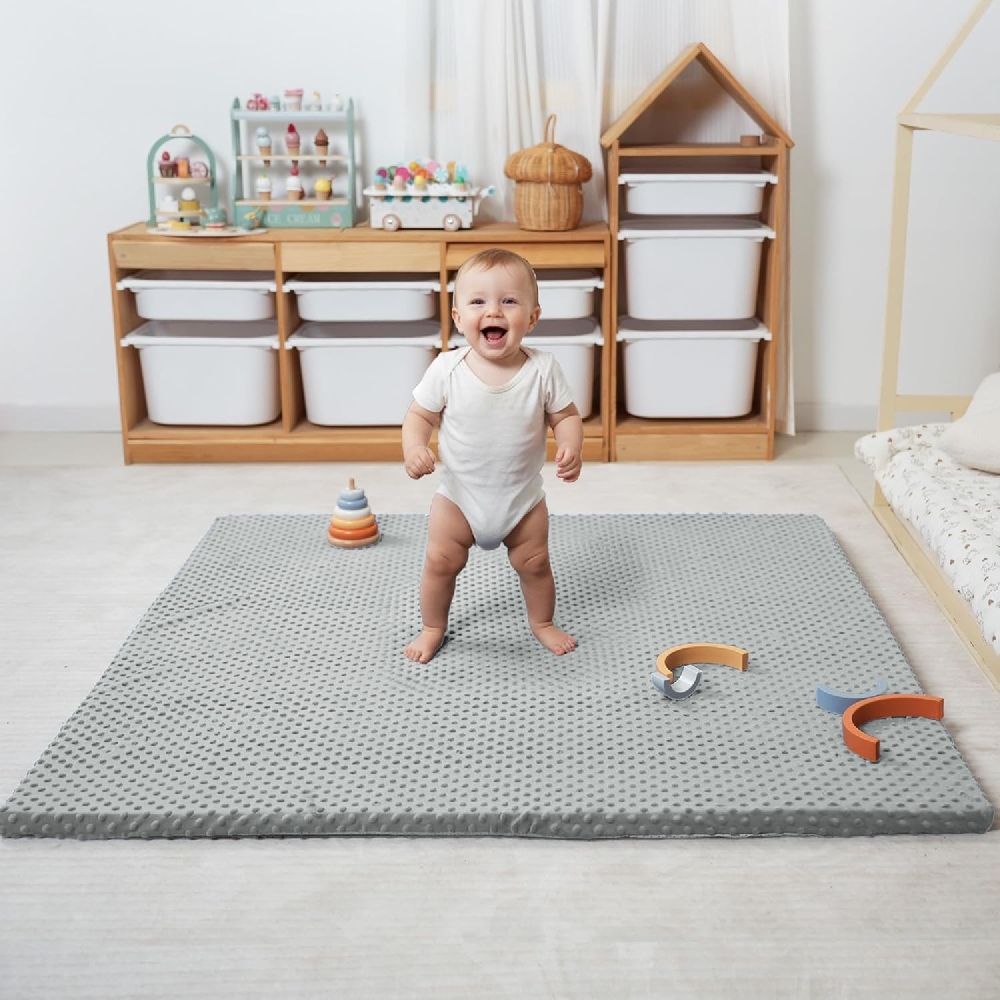
The shift toward modern nursery design emphasizes functionality, safety standards, and developmental appropriateness. A playpen mat directly addresses these priorities by providing a designated, protected space where infants and toddlers can explore, play, and develop motor skills. Unlike bare flooring or generic blankets, a purpose-built playpen mat combines optimal thickness, non-slip bases, washable materials, and ergonomic design to create an environment that supports both immediate comfort and long-term developmental goals.
The primary safety advantage of a playpen mat lies in its shock-absorbing properties. Babies and toddlers are naturally curious explorers who frequently lose balance, stumble, or intentionally test their limits by falling and rolling. A quality playpen mat cushions these inevitable impacts, significantly reducing the risk of head injuries, bruises, and other trauma. The mat's thickness acts as a protective barrier between your child and hard flooring, transforming a concrete, tile, or hardwood surface into a forgiving play environment.
Modern playpen mats incorporate advanced foam technology that absorbs vertical force without creating excessive softness that could trap tiny fingers or cause instability. This balance is critical because overly soft surfaces can actually hinder motor development, while insufficient cushioning fails to provide adequate protection. When selecting a playpen mat, thickness typically ranges from 0.5 to 1.5 inches, with most child development specialists recommending at least 1 inch for optimal safety across various age ranges from infants to toddlers.
A dedicated playpen mat creates a hygiene barrier that isolates your child from floor-level contaminants. Household floors accumulate dust, pet dander, bacteria, and other microscopic organisms that pose particular risks to infants whose immune systems are still developing. A playpen mat with a removable, washable cover allows parents to maintain elevated cleanliness standards compared to direct floor contact.
The removable cover feature is especially valuable for families managing allergies, eczema, or respiratory sensitivities. These covers can be machine washed regularly, eliminating accumulated allergens and bacteria. Additionally, a waterproof backing layer protects against liquid spills, accidental diaper leaks, and food accidents, preventing moisture from seeping into flooring materials or creating mold conditions beneath the playpen mat.
Developmental pediatricians consistently recommend daily tummy time as essential for infant motor development, muscle strengthening, and prevention of flat head syndrome. However, many parents struggle to encourage tummy time on bare floors because of discomfort concerns. A playpen mat transforms tummy time from an uncomfortable experience into an enjoyable activity by providing gentle cushioning that allows babies to focus on movement rather than discomfort.
The appropriate firmness of a quality playpen mat supports proper spinal alignment during tummy time and crawling phases. Soft, cushioned surfaces allow babies to practice weight-bearing exercises that strengthen neck, shoulder, and arm muscles essential for reaching, crawling, and eventually standing. The visual texture and tactile variety of modern playpen mats often stimulate sensory exploration, encouraging babies to reach, touch, and investigate their immediate environment in ways that promote cognitive development alongside physical skills.
Flooring temperature significantly affects how long babies remain comfortable during play sessions. Cold tile or concrete can discourage extended floor play, limiting opportunities for developmental practice. A quality playpen mat provides insulation against cold floors, maintaining comfortable temperatures that encourage longer, more sustained play periods. Premium materials often feature moisture-wicking properties that prevent heat accumulation and sweat buildup, which is particularly important during warmer months or in climates with high humidity.
Beyond temperature, the material texture of a playpen mat contributes to overall comfort. Soft, minky, or microfiber surfaces feel pleasant against baby skin, encouraging babies to spend time on the mat rather than immediately seeking alternate spaces. This comfort advantage directly translates to extended developmental practice opportunities, as babies naturally remain engaged longer on surfaces they find pleasant.
Modern nurseries increasingly incorporate multifunctional design principles where each element serves multiple purposes and integrates seamlessly with overall decor. A playpen mat contributes to this efficiency by creating a defined play zone that psychological research suggests helps children focus and contain their activities. The visual boundaries created by a designated playpen mat reduce cognitive load for babies while helping parents maintain organized nursery spaces.
Today's playpen mats come in diverse colors, patterns, and materials that coordinate with contemporary nursery themes. Whether your aesthetic leans toward minimalist monochrome, nature-inspired pastels, or contemporary prints, you can find a playpen mat that complements your design vision rather than appearing as an afterthought. This design consideration matters because nurseries are increasingly treated as intentional spaces reflecting parental values and design preferences, not just functional rooms.
Modern families often need flexibility in their nursery setup, whether traveling to grandparent homes, moving between rooms, or adjusting spaces as children grow. Lightweight, foldable playpen mats address this practical need, offering portability without sacrificing quality or safety standards. Many contemporary designs roll up compactly or fold into carrying bags, enabling parents to maintain consistent play environments across multiple locations.
The maintenance advantage of modern playpen mats cannot be overstated. Removable, machine-washable covers transform cleaning from a cumbersome task into a simple household routine. Parents can manage spills, food residue, and everyday dirt immediately without requiring special treatments or professional cleaning services. This practical convenience directly impacts long-term satisfaction and the likelihood that parents will maintain appropriate cleanliness standards throughout the mat's lifespan.
Most child development experts recommend a playpen mat thickness of at least 0.75 to 1.5 inches, depending on your floor type and baby's age. Harder flooring materials like tile or concrete benefit from thicker mats around 1.5 inches, while carpeted areas may work well with 0.75-inch options. The key is selecting thickness that provides adequate cushioning for fall protection without creating excessive softness that impairs motor development or creates instability.
Yes, a playpen mat with a removable, washable cover is particularly beneficial for managing allergies and sensitivities. Machine-washing the cover regularly eliminates accumulated dust mites, pollen, pet dander, and other common allergens. The mat also creates a barrier between your baby and floor-level contaminants, providing additional isolation for children with respiratory sensitivities, eczema, or other conditions triggered by environmental irritants.
Measure your playpen's dimensions and select a playpen mat that matches or slightly exceeds those measurements to ensure complete coverage and prevent rolling edges. Consider your nursery's layout and whether you plan to use the mat for activities beyond the playpen, such as tummy time in other areas. Many modern playpen mats are available in various sizes, with standard options ranging from small portable versions to large floor mats suitable for expansive play areas.

2026/11/02
Struggling to choose the right living room rugs? Avoid costly mistakes with expert insights on size, material, durability, style & care. Get your perfect rug.

2026/11/03
Worried about infant falls during crawling? Discover how cushioned baby play mats absorb impact, and support motor development. Get expert safety tips now.

2026/11/04
Struggling with messy spills and tummy time needs? Discover waterproof, sensory, and tummy-time-optimized play mat surface. Compare materials now.

2026/11/05
Can a kids play mat reduce noise? Discover how thickness, foam density & full coverage deliver real acoustic relief. Get the guide.

2026/11/06
Why do kids slip on tile, laminate & polished wood? Discover how premium non-slip play mats anchor securely AND absorb impact. Boost safety.

2026/11/09
Tired of scrubbing stains and battling odors? Discover the 5 key kids play mat features—waterproof surfaces, washable covers, non-slip grip. See what makes maintenance effortless.

